UV reactive clothing glows because it contains fluorescent molecules that absorb ultraviolet light and re-emit it as...
Latest posts
-
 UV Reactive Clothing: What Actually Glows Under a Blacklight and WhyRead more
-
 Open Cup, Peek-a-Boo and Cupless Bras: What They Are and How They FitRead more
Open cup, cupless, peek-a-boo, shelf, quarter cup: the names get used interchangeably almost everywhere, and they are...
-
 Lingerie for Every Anniversary: What to Wear and Why It WorksRead more
The right lingerie for a specific occasion is less about the garment and more about knowing what that moment actually...
-
 Plus Size Lingerie Fit Guide: Sizing, Fabric and What Actually WorksRead more
Plus size lingerie fit is its own skill set, and the biggest obstacle is usually language: sizes labeled Queen, 1X,...
-
 Lingerie for Every Body Type: What Works and WhyRead more
The cuts that feel right on your body are not random. Lingerie works or doesn't work based on how its structure...
-
 How to Buy Lingerie for the First Time (Without the Guesswork)Read more
Buying lingerie for the first time feels harder than it should be, mostly because no one explains the basics and...
-
 Types of Lingerie Fabric: What Sheer, Mesh and Lace Actually DoRead more
The words on a lingerie label are doing real work. Mesh, lace, powernet and satin each behave differently on the...
-
 How to Wash Lingerie Without Ruining It: A Guide by FabricRead more
Different fabrics fail for different reasons. Lace snags, satin watermarks, vinyl cracks, UV reactive dye fades under...
-
 Thigh High Stockings: Denier, Seams and How to Keep Them UpRead more
Thigh high stockings stay up when three things align: the right denier for the occasion, a band that fits your thigh...
-
 Corset vs Bustier vs Basque vs Waist Cincher: Which One Do You Actually Need?Read more
Corset, bustier, basque, waist cincher: the names get used interchangeably online and almost never mean the same...
Blog categories
Search in blog
Archived posts
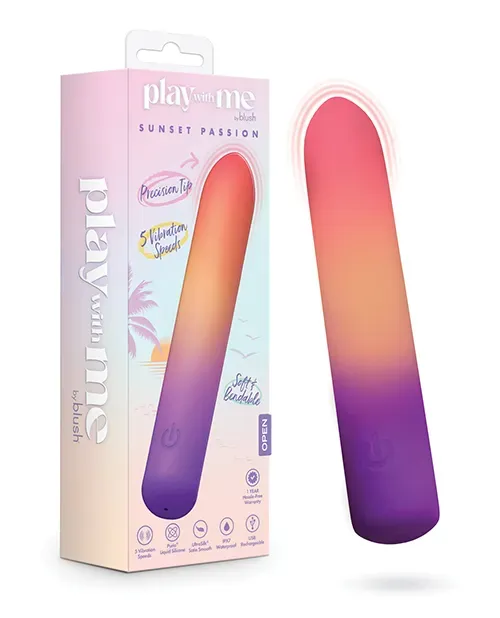
Body-Safe Sex Toy Materials: Silicone, TPE, TPR and What to Avoid
The material a toy is made from determines how thoroughly you can clean it, how long it will last, and whether it will stay inert against your skin over time. Two categories cover almost everything: porous and non-porous. That distinction shapes every other decision, from which cleaner to reach for to whether a toy can be shared safely. This guide covers the main materials on both sides of that line, the phthalate question, and how to store what you own.
What does porous versus non-porous actually mean for a sex toy?
Porosity describes whether a material has microscopic holes that absorb fluid and bacteria. Non-porous materials, like body-safe silicone, borosilicate glass and stainless steel, have a sealed surface you can actually disinfect. Porous materials, like jelly rubber, PVC and certain thermoplastic elastomers, trap bacteria inside the material itself, no matter how long you scrub.
That distinction matters more than most product descriptions let on. A porous toy cleaned with soap and water looks clean. Microscopically, it is not. Bacteria and yeast settle into those tiny channels and stay there, which is how a toy in regular use can become a source of recurring irritation or infection even when you are careful.
The fix is straightforward. Stick to non-porous materials for anything used internally or shared between partners. Silicone is the most common and the most forgiving, since it is body-safe, firm enough to hold a shape, and flexible enough to be comfortable. Glass and stainless steel offer a different sensation and tolerate boiling or dishwasher cleaning without degrading.
If you already own porous toys and want to keep using them, a condom over the toy each time is the practical harm-reduction move. It does not make the toy itself clean, but it creates a barrier between the material and your body.
Whatever the material, a purpose-made toy cleaner removes surface residue more effectively than hand soap, which can leave a film or degrade certain materials over time. For non-porous silicone, glass or steel, a cleaner plus a thorough rinse is genuinely enough.
Which materials are non-porous and how are they different from each other?
The four materials that qualify as truly non-porous are medical-grade silicone, borosilicate glass, stainless steel and hard ABS plastic. Each has a surface dense enough that bacteria and body fluids cannot seep into microscopic gaps, which means a proper clean actually works rather than just tidying the outside.
Silicone is the most commonly recommended because it stays flexible, warms quickly to body temperature and holds up through hundreds of cleaning cycles without degrading. The trade-off is that it reacts with silicone-based lubricants, which can cause the surface to break down over time. Water-based lubricant is the right pairing.
Borosilicate glass and stainless steel sit at the other end of the texture spectrum. Both are hard, completely smooth and compatible with any lubricant, including silicone and oil-based formulas. Glass can also be temperature-played with safely, warmed in water or cooled before use. Stainless steel conducts temperature even faster and has a noticeable weight that some people find useful for pressure.
Hard ABS plastic is the most affordable non-porous option and is frequently used for the casing of vibrators. It cleans easily and lasts well, though it offers none of the flex of silicone or the temperature responsiveness of glass and metal.
What all four share is that they can be cleaned thoroughly with a dedicated toy cleaner and, where no motor is involved, fully sanitized by boiling, running through a dishwasher without detergent or wiping down with a ten-percent bleach solution. That last option is not available with porous materials at any price point.
Is TPE body safe, and what should you know about porous materials before buying?
TPE (thermoplastic elastomer) is body safe in the sense that it is non-toxic and widely used in adult products. The real concern is porosity. TPE has a microscopically uneven surface that traps bacteria, even after washing, which means it cannot be fully sterilized between uses.
Porosity is not a dealbreaker, but it does change how you care for a toy and how long you can reasonably keep using it. A porous material holds onto residue that a dedicated toy cleaner will reduce but never fully eliminate. That matters most if you are sharing a toy, switching between partners, or using it with different types of lubricant over time.
Silicone, borosilicate glass and stainless steel are non-porous and can be sanitized completely. If material longevity and hygiene are the priority, those are the categories worth looking at first.
For TPE specifically, a condom over the toy is the most practical solution for shared use. It also extends the usable life of the material, since TPE degrades faster when oils from lubricants work into the surface. Water-based lubricant is the right match here.
Storage matters too. TPE should be kept dry, away from other toys, and ideally in a breathable pouch. Two TPE items touching each other in a drawer will eventually bond and break down the surface of both.
The short version: TPE products from realistic dolls to smaller toys are safe to use, provided you treat them as single-user items, clean them immediately after use, and retire them if the texture changes or the surface becomes tacky.
Are phthalates still a real concern in sex toys?
Yes, genuinely. Phthalates are plasticizing chemicals added to soft PVC to make it flexible, and they remain in circulation in cheaper toys sold outside regulated markets. Mucosal tissue absorbs substances more readily than skin does, which makes material choice in this category worth taking seriously.
The concern isn't theoretical. Studies have linked phthalate exposure to endocrine disruption, and the reproductive tract is particularly absorptive. Regulatory pressure in the EU and parts of North America has pushed many manufacturers toward safer materials, but enforcement is inconsistent and the toy industry sits in a grey zone in most jurisdictions.
The practical fix is straightforward: buy toys made from body-safe materials. Silicone, ABS hard plastic, borosilicate glass and stainless steel contain no phthalates by composition. If a product description lists "PVC", "jelly rubber" or "realistic material" without specifying phthalate-free certification, that vagueness is the answer.
Smell is an imperfect but useful indicator. A strong chemical or rubbery odour straight out of the packaging suggests plasticizers. A platinum-cure silicone toy is essentially odourless.
Price is correlated with material quality here more than in almost any other product category. A five-dollar jelly sleeve is almost certainly not body-safe. The men's toys and anal toys at LunaVixen are filtered for body-safe materials precisely because the mucosal exposure concern applies equally regardless of the body part in question.
If you already own older toys and aren't sure of the material, a condom over the toy is a practical stopgap while you replace them.
How do you clean and store each material type correctly?
Cool water, gentle detergent, flat drying. That covers most lingerie. The exceptions are where things go wrong, so it's worth knowing exactly where each material needs different handling before something shrinks, snags, or loses its shape entirely.
Lace and embroidered mesh are the most unforgiving. Hand wash only, no wringing, no dryer heat. Lay flat on a towel and reshape while damp. A mesh laundry bag can work in a machine on a delicate cold cycle, but the risk is yours.
Fishnet and hosiery snag on almost anything. Turn pieces like floral fishnet body stockings inside out before washing. Keep them away from rough fabrics and zippers in the same load. Store rolled loosely rather than folded, which prevents the weave from creasing into permanent ridges.
Silicone-topped stay-ups need a little extra attention. The grip band on styles like silicone lace-top thigh highs degrades faster if body oils and residue aren't rinsed off after each wear. A quick soak in cool water with a drop of mild soap, then air dry, keeps the hold strong for longer.
Satin and charmeuse water-spot easily. Spot clean where possible and steam rather than iron directly on the fabric. Store flat or on a padded hanger, never compressed in a drawer under heavier pieces.
General rule across everything: keep lingerie away from direct sunlight during storage. UV exposure yellows whites and fades dyes faster than almost anything else.
Common questions
Can you sterilize a silicone toy in boiling water?
Yes, pure platinum-cured silicone can be boiled for three minutes or run through the dishwasher on the top rack without detergent. This fully sterilizes it, which matters if you share toys or switch between partners. The catch is that the toy must be 100% silicone with no electronic components or motors. Battery packs and charging ports do not survive boiling. For vibrators, a 10% bleach solution or a dedicated toy cleaner applied to the surface is the safe middle ground.
Does silicone lube damage silicone toys?
It can, and the risk is real enough to take seriously. Silicone-based lubricant can bond with the surface of a silicone toy at a molecular level, degrading the texture and creating a tacky or pitted finish over time. That degraded surface then becomes harder to clean properly. Water-based lubricant is the straightforward choice for silicone toys. If you want to test a specific lube-toy combination, apply a small amount to an inconspicuous spot, wait a few minutes, and check for any change in texture before committing.
How long does a TPE toy last before it should be replaced?
TPE is porous, which means bacteria can work into the material no matter how thoroughly you clean the surface. Most sex educators suggest replacing TPE toys every six to twelve months with regular use, sooner if the surface becomes sticky, discolored or develops an odor that cleaning does not remove. Storing TPE correctly matters too. Direct contact with other toys can cause materials to react and break down faster. A breathable cotton pouch and some separation between pieces adds real time to the lifespan.
What does medical-grade silicone actually mean?
Medical-grade silicone meets FDA standards for implantable or body-contact use, meaning it has been tested for biocompatibility and contains no fillers or plasticizers that leach into tissue. For toys, the relevant tier is usually platinum-cured silicone, which is non-porous, odorless, and stable at a wide range of temperatures. The term gets used loosely in marketing, so the useful test is whether a brand publishes material certifications or third-party lab results. A toy described vaguely as body-safe or skin-safe without specifics is not necessarily the same thing.
Posted in:
Lingerie
Related posts
-
 Types of Lingerie: The Complete Guide
Lingerie covers a lot of ground, from a barely-there bodysuit on a Tuesday to a structured corset for a night out....Read more
-
 Babydoll vs Chemise: What's the Difference?
Babydoll, chemise, teddy, bodysuit: four words that describe four genuinely different garments, and the industry does...Read more
-
 How to Measure for Lingerie (and Actually Get It Right)
Lingerie sizing is not a mystery, but it does work differently from the jeans or tops you buy without thinking twice....Read more
-
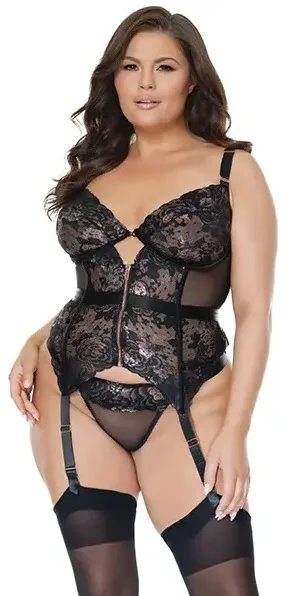 Corset Garter Sets, Explained
A corset garter set pairs a structured, boned corset or bustier with a matching garter belt so the whole look comes...Read more
-
 Faux Leather Lingerie: Vinyl, Wet Look and How to Care for All of It
Faux leather lingerie, vinyl bodysuits and wet look sets share a glossy surface and almost nothing else in common...Read more