UV reactive clothing glows because it contains fluorescent molecules that absorb ultraviolet light and re-emit it as...
Latest posts
-
 UV Reactive Clothing: What Actually Glows Under a Blacklight and WhyRead more
 -
 Open Cup, Peek-a-Boo and Cupless Bras: What They Are and How They FitRead more
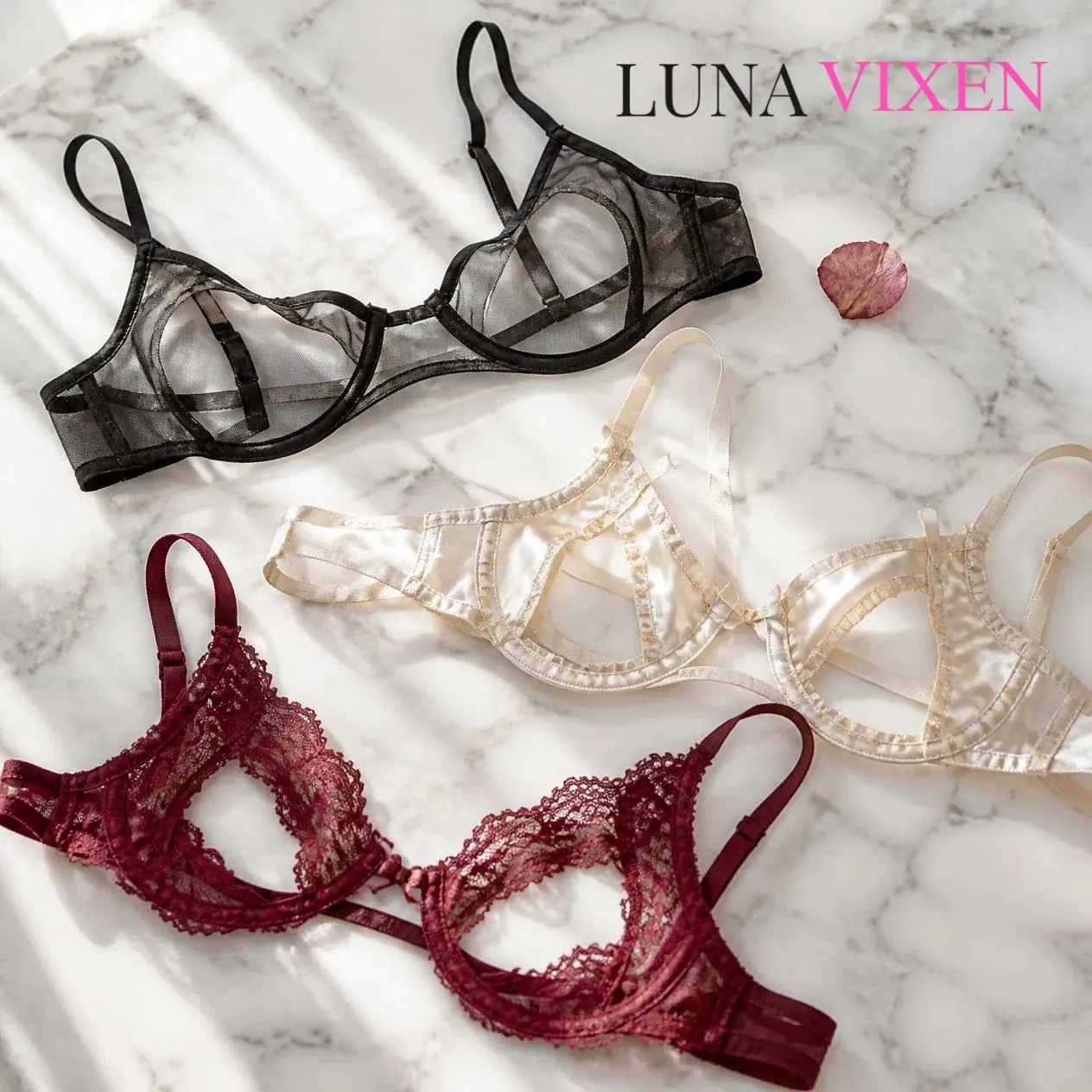
Open cup, cupless, peek-a-boo, shelf, quarter cup: the names get used interchangeably almost everywhere, and they are...
-
 Lingerie for Every Anniversary: What to Wear and Why It WorksRead more
The right lingerie for a specific occasion is less about the garment and more about knowing what that moment actually...
-
 Plus Size Lingerie Fit Guide: Sizing, Fabric and What Actually WorksRead more
Plus size lingerie fit is its own skill set, and the biggest obstacle is usually language: sizes labeled Queen, 1X,...
-
 Lingerie for Every Body Type: What Works and WhyRead more
The cuts that feel right on your body are not random. Lingerie works or doesn't work based on how its structure...
-
 How to Buy Lingerie for the First Time (Without the Guesswork)Read more
Buying lingerie for the first time feels harder than it should be, mostly because no one explains the basics and...
-
 Types of Lingerie Fabric: What Sheer, Mesh and Lace Actually DoRead more
The words on a lingerie label are doing real work. Mesh, lace, powernet and satin each behave differently on the...
-
 How to Wash Lingerie Without Ruining It: A Guide by FabricRead more
Different fabrics fail for different reasons. Lace snags, satin watermarks, vinyl cracks, UV reactive dye fades under...
-
 Thigh High Stockings: Denier, Seams and How to Keep Them UpRead more
Thigh high stockings stay up when three things align: the right denier for the occasion, a band that fits your thigh...
-
 Corset vs Bustier vs Basque vs Waist Cincher: Which One Do You Actually Need?Read more
Corset, bustier, basque, waist cincher: the names get used interchangeably online and almost never mean the same...
Blog categories
Search in blog
Archived posts

How to Measure for Lingerie (and Actually Get It Right)
What measurements do you actually need, and how do you take them?
Three numbers do most of the work: your bust, your underbust, and your hips. For bottoms, waist matters too. Grab a soft tape measure, stand naturally, and take each measurement over bare skin or a thin layer. Written down, those four numbers will get you into almost anything correctly the first time.
For the bust, wrap the tape around the fullest part of your chest, usually across the nipple line, keeping it level across your back. Don't pull it tight or let it sag. You want snug without compression.
The underbust sits right below the underwire line, where a bra band would rest. This one tends to run smaller than people expect, and that's fine. The gap between your bust and underbust measurements is what determines cup size in most sizing systems.
Hips are measured at the widest point, which on most bodies sits about seven to nine inches below the natural waist. If you're sizing into a matching set where the top and bottom size independently, this number matters more than people usually give it credit for.
One thing worth doing: measure twice, once while breathing normally and once after a full exhale. If the numbers differ by more than an inch, use the relaxed measurement. Lingerie worn close to the body needs room for actual breathing.
Write the numbers down before you forget them. Sizes shift across brands, across fabrications, and certainly between a stretch lace bralette and a structured satin underwire. Having your measurements on hand means you're comparing your body to a size chart, not guessing.
Why does lingerie sizing run differently from ready-to-wear clothing?
Because the two systems were built to measure different things. Ready-to-wear uses a single number or letter that approximates overall body volume. Lingerie sizing, particularly for bras, splits the body into two separate measurements: the ribcage and the bust, then calculates the relationship between them.
That relationship is the cup. A D cup on a 32-band is a much smaller physical volume than a D cup on a 38-band, which is why a size can look identical on a tag and fit completely differently on two people. The letter means nothing without the number beside it.
Panties and bodysuits often follow a third system entirely, either branded XS-through-3X scales or numeric hip measurements, and those rarely align with a woman's dress size in any predictable way. A size 14 dress does not translate cleanly to a size large brief.
Stretch fabrics complicate this further. A cut-and-sew brief in cotton-modal has to account for recovery and drape in ways that a woven trouser never does, so the tolerances are different and the fit curves differently across the hip and seat.
If you have ever felt like your size from a department store means nothing when you pick up lingerie or plus-size styles, that is not a you problem. It is a measurement-framework problem. Taking a fresh tape measure to your underbust, bust and hips before shopping, rather than trusting a dress size, tends to close most of that gap immediately.
Why does the same size letter fit differently across collections?
Because there is no universal standard. Each brand grades its own patterns, and a medium in one collection is built off a different set of body measurements than a medium in another. The letter is a label, not a guarantee. What actually determines fit is the pattern block underneath it.
Cut plays a large part here. A bralette cut in stretch jersey forgives a full inch of variance at the band because the fabric does the adjusting. A structured underwire set in satin has no give, so the same letter on the tag can run a full cup tight.
Fabric construction changes the equation further. Woven materials like the coated fabrics used in vinyl and leather styles hold their shape completely, which means the fit depends entirely on how precisely the pattern was drafted, not on stretch or recovery. A size medium there behaves nothing like a medium in ribbed cotton.
Occasion-specific pieces add another layer. Bridal lingerie is often cut with more structure and less ease than everyday styles, because it is designed to sit cleanly under a fitted gown. The same person may wear a large in a casual set and a medium in a corseted bridal piece from the same brand.
The practical fix is to measure in inches, not letters. Bust, underbust and hip measurements taken the same day give you something consistent to compare against a size chart. A letter gives you a starting point. The chart tells you whether it will actually fit.
How do you read a lingerie size chart when the labels are combo style versus discrete?
A combo label stacks two measurements into one tag, something like S/M or 34/36, meaning the piece is cut to fit a range. A discrete label gives you a single fixed size. The chart tells you which system you're in, and your job is just to match your actual measurements to whichever column applies.
For discrete sizes, measure your underbust and full bust in inches, then find the row where both numbers land. If they split across two rows, size up. Discrete cuts leave less room for interpretation, so a half-inch can matter.
Combo sizing reads differently. The chart will usually show a band range and a cup range for each combo tag, so S/M might cover a 32A through 34B. Run your finger down the band column first, then cross to your cup. If both sit inside the same cell, that tag fits you. If they land in different cells, you're between sizes.
Sets complicate things because tops and bottoms are sometimes sized on different scales. A matching set might use a bra size for the top and a waist-to-hip measurement for the bottom. Check each piece against its own column rather than assuming the tag on the top applies to both.
One thing most charts skip: stretch factor. A piece cut from four-way stretch mesh reads differently at the same size as structured satin. When the product notes say "runs small" or list a specific stretch percentage, weight that as heavily as the number itself.
How do extended sizes like Queen, 1X, and 2X through 4X work on a lingerie chart?
Queen, 1X, and the numeric plus sizes are not interchangeable, and lingerie brands rarely treat them the same way. Queen is a hosiery-specific term that generally fits hips from around 45 to 60 inches. The 1X through 4X scale is used for bodywear and sets, where each step up adds roughly an inch to two inches across the bust, waist and hip.
The tricky part is that 1X and XL are not the same size, even though they sit close on a straight-size chart. XL typically lands around a 14 to 16. A 1X starts there too but is cut with more depth through the torso and more give through the hips, so a piece labeled 1X will often fit a fuller figure more accurately than the same numerical measurement in an XL.
Stretch fabric changes the math again. A babydoll in stretch lace labeled 2X may fit anywhere from a size 18 to 22 depending on the silhouette. A structured corset in the same size label might only have two inches of give. Always check the specific measurement range in the chart, not just the size letter.
Some brands collapse 2X and 3X into a single range; others separate them by a full two inches per measurement. If a chart lists hip and waist measurements rather than dress size equivalents, use those numbers directly. They are more reliable than the letter.
A good starting point if you are sizing for the first time is the plus size lingerie collection, where the individual size charts break down bust, waist, and hip ranges by garment type rather than applying one blanket guide to every cut.
Common questions
My measurements put me between two sizes on the chart. Which do I pick?
Go up. With lingerie especially, the difference between snug-and-digging and snug-and-comfortable is usually one size. The exception is underwire bras, where a too-large band floats and loses its support function entirely. If the garment has adjustable straps or a hook-and-eye back, sizing up gives you room to cinch in. If it's a fixed-size piece like a bodysuit or bralette, read the fabric content first. A high spandex percentage means it moves with you. Low stretch means the size on the tag is what you get.
Do I measure over a bra or without one?
Without. A bra adds volume and changes your underbust reading in ways that knock the whole chart off. Measure directly against skin, standing upright, breathing normally. For the bust, measure at the fullest point of your chest without anything underneath pulling or flattening. The one caveat is if you plan to size a bralette and you typically wear a padded push-up daily, measuring with that bra on can actually give you a more practical fit reference for how that style will sit on your body.
The chart shows cup sizes but the garment is just labeled Small and Medium. How do I pick?
Most brands map cup size ranges onto their letter sizing. A Small typically covers A and B cups, Medium covers B and C, Large covers C and D, and so on, though this shifts by brand and style. Check your underbust measurement first since that usually drives the S-M-L call more than cup volume does in non-wired pieces. If the item is a soft cup or unlined bralette, the fit is more forgiving and going by your band measurement alone works well. Wired styles need more precision, so contact the shop if the chart stops at cup sizes.
I wear a 1X in tops but the chart lists Queen separately. Are those the same thing?
Not always, and the gap matters. In tops, 1X is usually sized against ready-to-wear standards built around a standard hip-to-waist ratio. Queen sizing in hosiery and some lingerie is cut differently, with more room through the hip and thigh and a longer gusset. A 1X top wearer often lands in Queen for tights and stockings but not necessarily for bodysuits or chemises. The safest move is to pull your hip and height measurements and compare them directly against whatever range the chart gives for Queen, rather than assuming your top size translates cleanly.
Posted in:
Lingerie
Related posts
-
 Types of Lingerie: The Complete Guide
Lingerie covers a lot of ground, from a barely-there bodysuit on a Tuesday to a structured corset for a night out....Read more
Types of Lingerie: The Complete Guide
Lingerie covers a lot of ground, from a barely-there bodysuit on a Tuesday to a structured corset for a night out....Read more -
 Babydoll vs Chemise: What's the Difference?
Babydoll, chemise, teddy, bodysuit: four words that describe four genuinely different garments, and the industry does...Read more
Babydoll vs Chemise: What's the Difference?
Babydoll, chemise, teddy, bodysuit: four words that describe four genuinely different garments, and the industry does...Read more -
 Corset Garter Sets, Explained
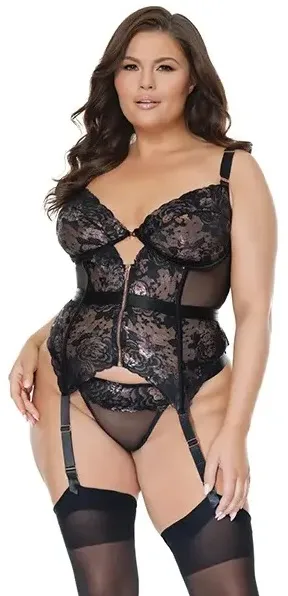
A corset garter set pairs a structured, boned corset or bustier with a matching garter belt so the whole look comes...Read more
Corset Garter Sets, Explained
A corset garter set pairs a structured, boned corset or bustier with a matching garter belt so the whole look comes...Read more -
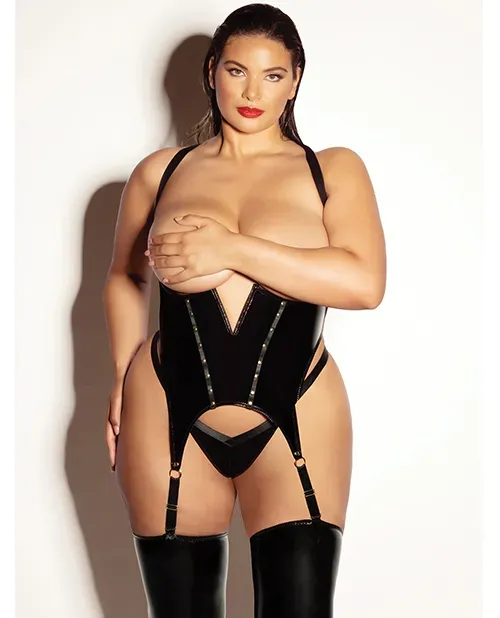 Faux Leather Lingerie: Vinyl, Wet Look and How to Care for All of It
Faux leather lingerie, vinyl bodysuits and wet look sets share a glossy surface and almost nothing else in common...Read more
Faux Leather Lingerie: Vinyl, Wet Look and How to Care for All of It
Faux leather lingerie, vinyl bodysuits and wet look sets share a glossy surface and almost nothing else in common...Read more -
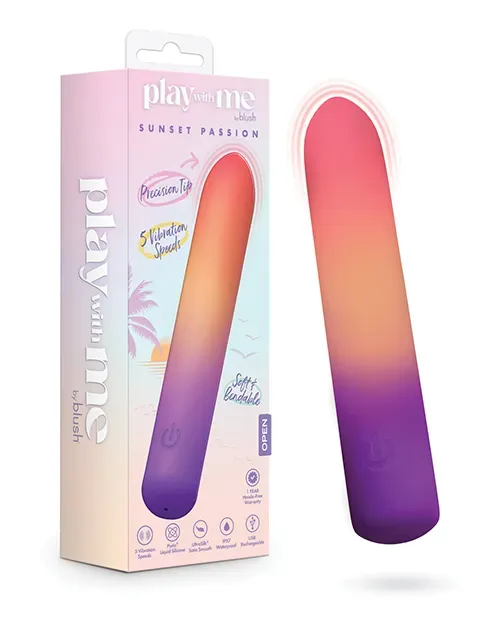 Body-Safe Sex Toy Materials: Silicone, TPE, TPR and What to Avoid
The material a toy is made from determines how thoroughly you can clean it, how long it will last, and whether it...Read more
Body-Safe Sex Toy Materials: Silicone, TPE, TPR and What to Avoid
The material a toy is made from determines how thoroughly you can clean it, how long it will last, and whether it...Read more