UV reactive clothing glows because it contains fluorescent molecules that absorb ultraviolet light and re-emit it as...
Latest posts
-
 UV Reactive Clothing: What Actually Glows Under a Blacklight and WhyRead more
 -
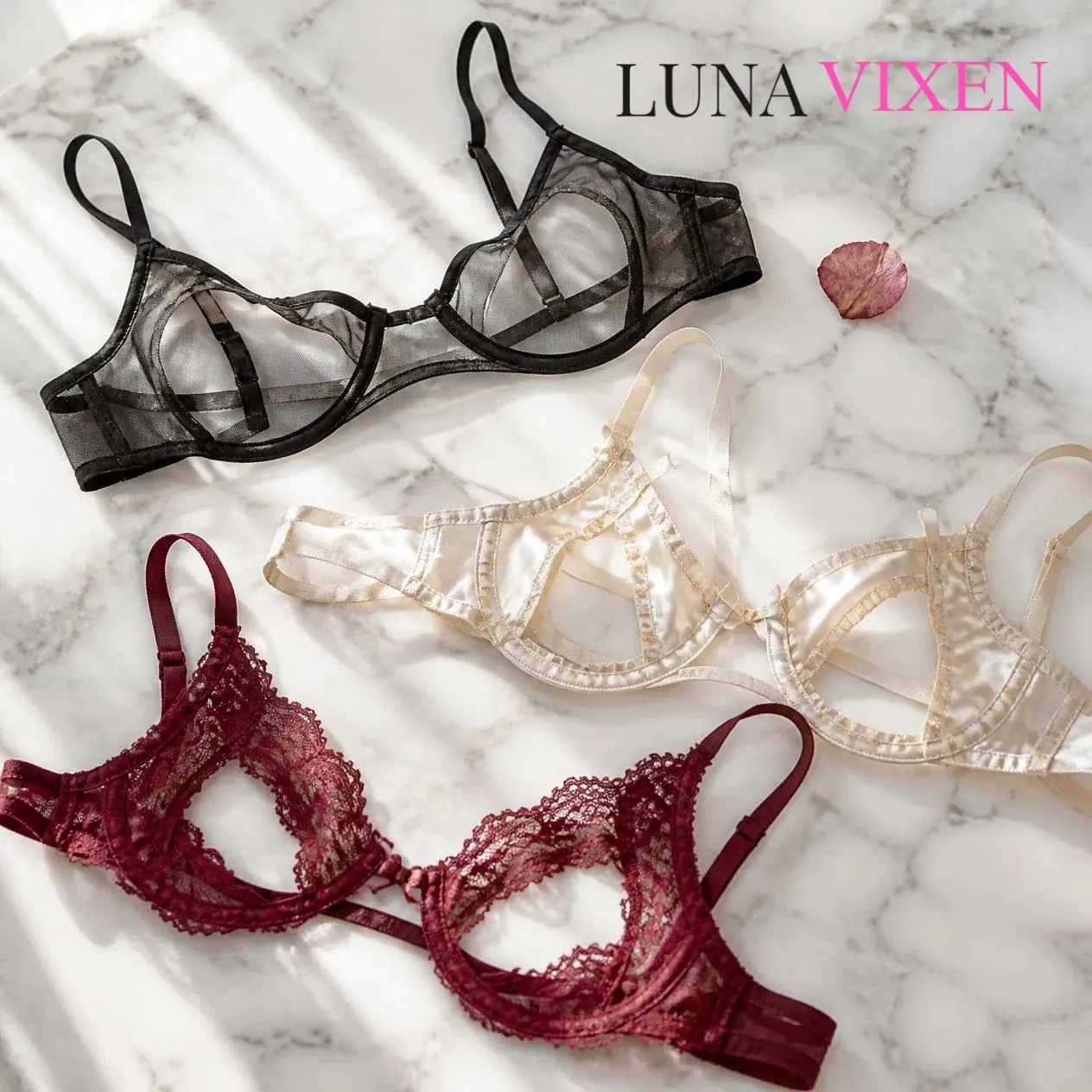 Open Cup, Peek-a-Boo and Cupless Bras: What They Are and How They FitRead more
Open cup, cupless, peek-a-boo, shelf, quarter cup: the names get used interchangeably almost everywhere, and they are...
-
 Lingerie for Every Anniversary: What to Wear and Why It WorksRead more
The right lingerie for a specific occasion is less about the garment and more about knowing what that moment actually...
-
 Plus Size Lingerie Fit Guide: Sizing, Fabric and What Actually WorksRead more
Plus size lingerie fit is its own skill set, and the biggest obstacle is usually language: sizes labeled Queen, 1X,...
-
 Lingerie for Every Body Type: What Works and WhyRead more
The cuts that feel right on your body are not random. Lingerie works or doesn't work based on how its structure...
-
 How to Buy Lingerie for the First Time (Without the Guesswork)Read more
Buying lingerie for the first time feels harder than it should be, mostly because no one explains the basics and...
-
 Types of Lingerie Fabric: What Sheer, Mesh and Lace Actually DoRead more
The words on a lingerie label are doing real work. Mesh, lace, powernet and satin each behave differently on the...
-
 How to Wash Lingerie Without Ruining It: A Guide by FabricRead more
Different fabrics fail for different reasons. Lace snags, satin watermarks, vinyl cracks, UV reactive dye fades under...
-
 Thigh High Stockings: Denier, Seams and How to Keep Them UpRead more
Thigh high stockings stay up when three things align: the right denier for the occasion, a band that fits your thigh...
-
 Corset vs Bustier vs Basque vs Waist Cincher: Which One Do You Actually Need?Read more
Corset, bustier, basque, waist cincher: the names get used interchangeably online and almost never mean the same...
Blog categories
Search in blog
Archived posts
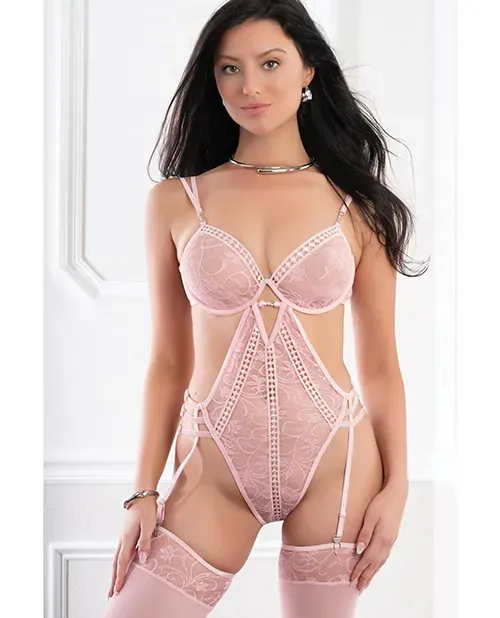
Types of Lingerie: The Complete Guide
What are the main types of lingerie and how do they differ?
Lingerie breaks down into a few clear categories: sets, bodysuits, babydolls, chemises, teddies, robes and cover-ups, and standalone pieces like garter belts or stockings. Each serves a different purpose, fits the body differently, and suits different occasions. Knowing the distinctions makes choosing much easier.
Sets are the most versatile entry point. A bra-and-brief or bralette-and-thong pairing gives you a coordinated look without the commitment of a one-piece. Within sets there's real variety: a scalloped lace long-sleeve set reads romantic and covered, while something like a shimmer bikini set is lighter, more playful.
Bodysuits hug the full torso in a single piece, which means no riding up, no separating. They work as lingerie and occasionally double under high-waisted trousers for people who like that crossover.
Babydolls and chemises are both loose-fitting and short, but a babydoll typically has a defined bust with a flared skirt panel, while a chemise falls straighter from shoulder to hem. The difference is subtle but the silhouette reads quite differently on the body.
Teddies are the one-piece cousin to a set: a fitted garment that covers the torso but snaps or opens at the crotch.
Garter belts and stockings sit in their own category as finishing pieces. They change the proportion of whatever else you're wearing and add a tactile layer that purely fabric pieces don't.
Three-piece sets that bundle a top, bottom and garter belt together, like a floral embroidered mesh option with a built-in garter belt, collapse those categories into one decision.
Sets, bodysuits, and teddies: what is each one actually doing?
A set is two separate pieces, a bra and a bottom, that are designed to be worn together or apart. A bodysuit or teddy is one continuous garment. That single structural difference is what drives every other choice about fit, occasion, and how the thing actually feels on your body.
Matching lingerie sets give you flexibility. You can wear the bra under a blazer and leave the rest for later. They also let you mix sizing, which matters when your top and bottom are different sizes.
A bodysuit snaps or hooks at the gusset and stays put. No riding up, no gaps between waistband and hem. It works well under high-waisted trousers because there is nothing to bunch. The silhouette is clean and unbroken from shoulder to hip.
A teddy is the softer cousin. Looser through the torso, often cut from mesh, lace, or satin, it skims rather than holds. The distinction between a bodysuit and a teddy is mostly about structure and intention. One is engineered to stay in place. The other moves with you.
If you want to layer or mix sizing, a set makes that easy. If you want one piece that handles everything, explore bodysuits and teddies and see which construction suits you. Neither is more serious or more playful than the other. It comes down to what you are actually putting it on to do.
Babydolls, chemises, and bodystockings: how do they fit and feel?
Each one sits on the body differently. A babydoll skims the torso from a fitted bust and flares free below it, so almost nothing touches the skin past the underwire or band. A chemise falls straight or slightly A-line from shoulder to mid-thigh, closer to a slip than a nightgown. A bodystocking is a single knit piece that covers from neck or chest all the way to the ankle, with no separation anywhere.
The fit logic matters because it changes who each style works for and when. Babydolls, especially empire-waist cuts like the Riley Empire Waist Babydoll, are generous across the stomach and hips by design. The structured bust does the work; everything else floats. That makes them one of the more forgiving silhouettes in this category.
Chemises are the quieter option. The fabric, usually stretch satin, mesh or modal, follows the body without gripping it. They layer under a robe without bulk and transition from bedroom to a lazy morning without looking out of place.
Bodystockings are a different experience entirely. They compress slightly, hold everything close and create an unbroken line from chest to toe. The fabric is almost always stretch lace or fishnet, which means texture is a significant part of wearing one. The fit is deliberate. Sizing matters more here than with either of the other two.
Browse the full range of babydolls and chemises if you want to try the first two before committing to something that covers more ground.
Corsets, bustiers, and basques: is there a real difference?
Yes, and the difference matters when you're buying rather than browsing. A corset uses rigid boning and a lacing system at the back to cinch the waist and reshape the torso. A bustier is a shorter, softer structured piece that supports the bust without serious compression. A basque sits between them, longer than a bustier, with light boning and often suspender tabs.
Corsets are the most architectural of the three. Steel or spiral boning runs vertically through the panels, and the back lacing lets you adjust the compression yourself. Some are worn as outerwear; some are cut specifically for underbust or overbust coverage. The waist reduction can be dramatic or subtle depending on how tightly you lace.
Bustiers are closer to a structured bra than a shaping garment. They typically end at or just below the natural waist, use plastic or minimal boning to hold their shape, and fasten with a back zipper or hook-and-eye closure. No lacing, no real cinch. They're the piece you reach for when you want shape without the commitment of a corset.
Basques are the underdogs of this category. They tend to drop to the hip, include built-in suspender straps for stockings, and offer light-to-moderate structure through the torso. Think of them as the piece that bridges a bustier's ease with a corset's coverage.
All three sit under the broader corsets and bustiers category, but they serve genuinely different purposes. Knowing which silhouette you're after saves a lot of guesswork.
Garter sets, stockings, hosiery, and clubwear: where do these fit in?
These categories sit at the edge of lingerie proper, pieces that move between the bedroom and the world outside it. A garter set is built around the belt, usually paired with stockings and a matching top or bra. Hosiery is its own category. Clubwear borrows the vocabulary of lingerie but is cut and finished to wear out.
Garter belts come in a wide range, from soft embroidered mesh with delicate floral motifs to structured vinyl with hardware details. The leopard print vinyl garter set with fishnet stockings is a good example of the harder end, the kind of piece that reads as costume as much as lingerie. The lace and mesh garter corset set with detachable choker sits closer to the middle, structured enough to shape the torso but still unmistakably intimate wear.
Stockings attach to the belt via suspender clips, four or six depending on the design. They stay up that way, no elastic band cutting into the thigh. That functional difference is what separates them from thigh-highs, which rely on a silicone grip band to hold their position.
Clubwear shares fabrics with lingerie, mesh, lace, vinyl, stretch satin, but the construction accounts for movement and visibility. Higher necklines, more coverage, hardware that can take a night out. The line is blurry by design.
If you are figuring out where to start, the stockings and hosiery category is worth browsing on its own before committing to a full set.
Common questions
What is the difference between a teddy and a bodysuit?
A teddy is lingerie first. It's cut for aesthetics, often in satin, lace, or mesh, with a loose or open bottom that snaps closed or simply drapes. A bodysuit is built for wearing under clothes, with a snug fit, a clean silhouette, and usually a proper snap gusset. The overlap exists, some teddies are structured enough to wear out, some bodysuits are gorgeous enough to wear as tops, but the design intent is different. If you're buying for a night in, reach for the teddy. If you need something to tuck into trousers, the bodysuit is the more practical call.
Do corsets and bustiers work the same way?
They look related but they're built differently. A corset uses boning and lacing to actually compress and reshape the torso, pulling the waist in through tension. A bustier lifts and shapes the bust with underwire and light boning, but it doesn't cinch the way a corset does. Bustiers are easier to wear for hours. Corsets, especially steel-boned ones, require some adjustment time and are better suited to shorter wear unless you're used to them. If your goal is a dramatic waist reduction, you want a corset. If you want defined support with a sleek look, a bustier gets you there with less effort.
What type of lingerie works best under clothing?
Smooth, fitted, and minimal. Seamless or laser-cut briefs disappear under dresses and tailored trousers. A well-fitted bra with no excess lace or padding bulk sits flat under a blouse. Bodysuits in matte microfiber or thin stretch fabrics are genuinely useful under high-waisted skirts or jeans because they stay tucked. The fabric matters more than the style: anything with texture, thick lace, or structured panels will show. For very fitted clothing, a thong or brief cut close to the body is more reliable than a cheeky or hipster, which can leave a visible line depending on the fabric above it.
How do I know what coverage level I actually want?
Think about what makes you comfortable without overthinking preference into a problem. Full coverage briefs cover the entire seat and most of the hip. Cheeky cuts sit mid-coverage, revealing the lower half of the seat. Thongs eliminate back coverage almost entirely. Your choice should match how you spend your time in it, not some idea of what you should want. If you're wearing lingerie under tailored clothing all day, comfort and absence of lines matters most. If you're wearing something purely for yourself or a partner, coverage level is just personal taste. There's no wrong answer, only what you'd actually reach for twice.
Posted in:
Lingerie
Related posts
-
 Babydoll vs Chemise: What's the Difference?
Babydoll, chemise, teddy, bodysuit: four words that describe four genuinely different garments, and the industry does...Read more
Babydoll vs Chemise: What's the Difference?
Babydoll, chemise, teddy, bodysuit: four words that describe four genuinely different garments, and the industry does...Read more -
 How to Measure for Lingerie (and Actually Get It Right)
Lingerie sizing is not a mystery, but it does work differently from the jeans or tops you buy without thinking twice....Read more
How to Measure for Lingerie (and Actually Get It Right)
Lingerie sizing is not a mystery, but it does work differently from the jeans or tops you buy without thinking twice....Read more -
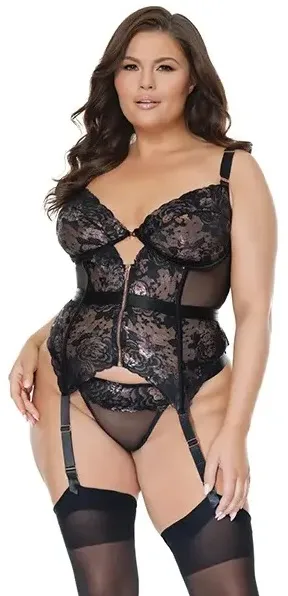 Corset Garter Sets, Explained
A corset garter set pairs a structured, boned corset or bustier with a matching garter belt so the whole look comes...Read more
Corset Garter Sets, Explained
A corset garter set pairs a structured, boned corset or bustier with a matching garter belt so the whole look comes...Read more -
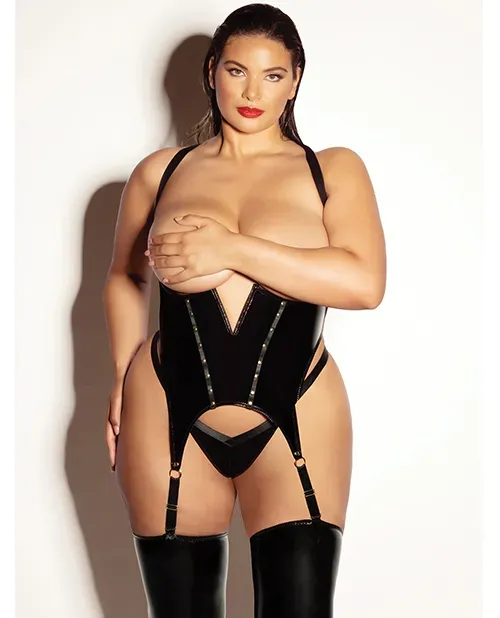 Faux Leather Lingerie: Vinyl, Wet Look and How to Care for All of It
Faux leather lingerie, vinyl bodysuits and wet look sets share a glossy surface and almost nothing else in common...Read more
Faux Leather Lingerie: Vinyl, Wet Look and How to Care for All of It
Faux leather lingerie, vinyl bodysuits and wet look sets share a glossy surface and almost nothing else in common...Read more -
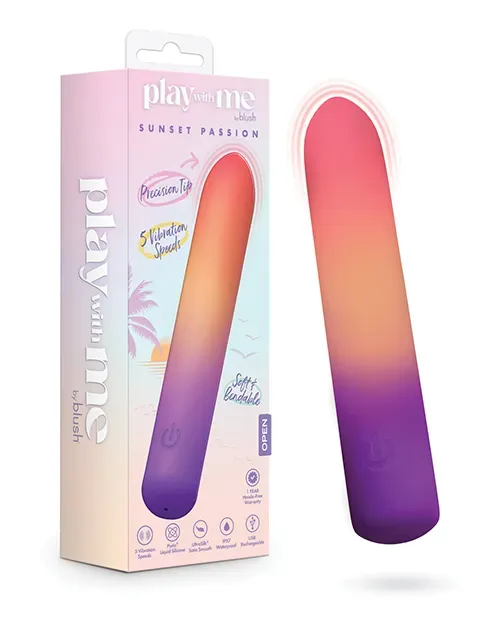 Body-Safe Sex Toy Materials: Silicone, TPE, TPR and What to Avoid
The material a toy is made from determines how thoroughly you can clean it, how long it will last, and whether it...Read more
Body-Safe Sex Toy Materials: Silicone, TPE, TPR and What to Avoid
The material a toy is made from determines how thoroughly you can clean it, how long it will last, and whether it...Read more