UV reactive clothing glows because it contains fluorescent molecules that absorb ultraviolet light and re-emit it as...
Latest posts
-
 UV Reactive Clothing: What Actually Glows Under a Blacklight and WhyRead more
-
 Open Cup, Peek-a-Boo and Cupless Bras: What They Are and How They FitRead more
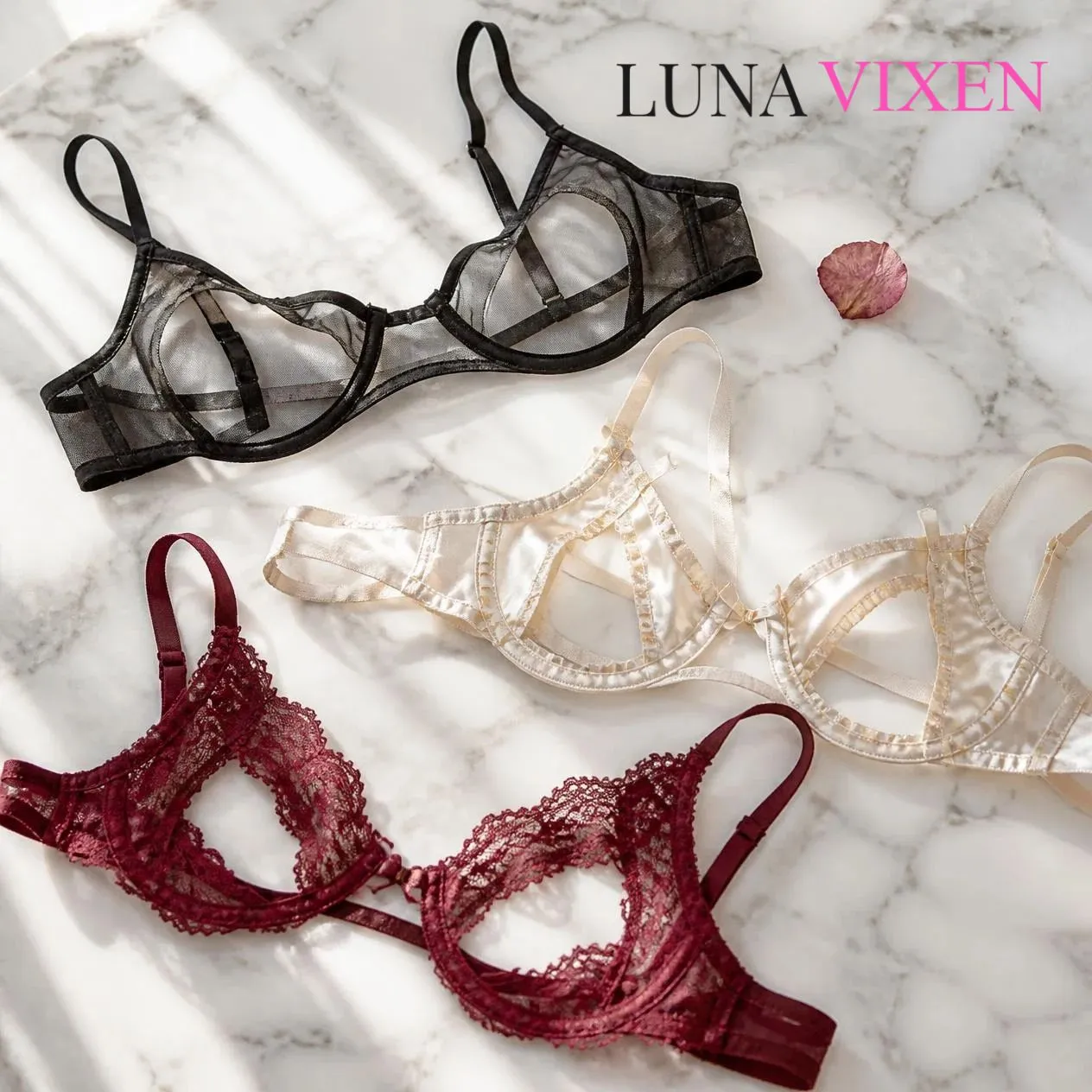
Open cup, cupless, peek-a-boo, shelf, quarter cup: the names get used interchangeably almost everywhere, and they are...
-
 Lingerie for Every Anniversary: What to Wear and Why It WorksRead more
The right lingerie for a specific occasion is less about the garment and more about knowing what that moment actually...
-
 Plus Size Lingerie Fit Guide: Sizing, Fabric and What Actually WorksRead more
Plus size lingerie fit is its own skill set, and the biggest obstacle is usually language: sizes labeled Queen, 1X,...
-
 Lingerie for Every Body Type: What Works and WhyRead more
The cuts that feel right on your body are not random. Lingerie works or doesn't work based on how its structure...
-
 How to Buy Lingerie for the First Time (Without the Guesswork)Read more
Buying lingerie for the first time feels harder than it should be, mostly because no one explains the basics and...
-
 Types of Lingerie Fabric: What Sheer, Mesh and Lace Actually DoRead more
The words on a lingerie label are doing real work. Mesh, lace, powernet and satin each behave differently on the...
-
 How to Wash Lingerie Without Ruining It: A Guide by FabricRead more
Different fabrics fail for different reasons. Lace snags, satin watermarks, vinyl cracks, UV reactive dye fades under...
-
 Thigh High Stockings: Denier, Seams and How to Keep Them UpRead more
Thigh high stockings stay up when three things align: the right denier for the occasion, a band that fits your thigh...
-
 Corset vs Bustier vs Basque vs Waist Cincher: Which One Do You Actually Need?Read more
Corset, bustier, basque, waist cincher: the names get used interchangeably online and almost never mean the same...
Blog categories
Search in blog
Archived posts

Faux Leather Lingerie: Vinyl, Wet Look and How to Care for All of It
What is the difference between vinyl, PVC, PU, wet look and faux patent leather?
They are all smooth, high-shine synthetics, but the fabric construction differs and that changes how each one feels against skin, moves with your body and holds its shape over time. Vinyl and PVC are essentially the same thing: a knit or woven backing bonded to a polyvinyl chloride surface. PU swaps that surface layer for polyurethane, which is thinner and more pliable.
PVC tends to be stiffer, with a hard lacquer-like finish. It holds structured silhouettes well and photographs with a sharp, almost reflective gloss. PU is softer and drapes more easily, so it works better in pieces with fitted seaming or stretch panels.
Wet look fabric is different again. It is typically a stretchy knit, often spandex-heavy, with a coating or weave that mimics that high-shine appearance without the rigidity. A wet look halter teddy moves almost like second skin because the base fabric still breathes and stretches the way a jersey does.
Faux patent leather sits closest to PU in construction but the finish is pushed further toward a deep, mirror-like sheen. You see it used in structured pieces where that glossy surface is doing real visual work, like the panels in the Sugar Plum bustier set, where it sits against scalloped lace and steel boning.
In practical terms: wet look for stretch and comfort, PU for softer drape, PVC or faux patent for maximum shine and structure. The right choice depends entirely on the cut.
Does faux leather lingerie feel different to wear, and is there anything to know before putting it on?
Yes, noticeably. Wet look and vinyl fabrics do not breathe the way stretch lace or mesh do, so they hold heat against the skin. That is not a flaw, it is just the nature of the material, and knowing it going in makes the experience better rather than surprising.
The surface is smooth and slightly rigid compared to knit fabrics, which means fit matters more than usual. A piece that is too tight will pinch at the edges and resist movement. A piece with the right amount of stretch, like the wet look halter teddy with open back, will move with you while still holding its shape and giving you that sharp, high-contrast silhouette the fabric is known for.
A few things worth doing before you wear it. Avoid applying body lotion or oil right before putting on a vinyl piece. Most moisturizers will cause the fabric to slide in ways that make it harder to position correctly, and some formulations can dull the finish over time. Let skin dry completely first.
Storage matters too. Folding vinyl tightly for long periods can leave permanent creases. Hanging is better, or laying flat without anything heavy on top.
The other thing people sometimes underestimate is temperature. These fabrics warm up fast. For a short-wear occasion that is part of the appeal. For anything longer, keep the room cool and you will be comfortable the whole time. The full vinyl and leather category includes pieces in a range of coverage levels, so you can choose how much of that heat-retention quality you actually want working for you.
How do you clean vinyl and faux leather lingerie without ruining it?
Wipe it down. A damp cloth with a tiny drop of mild soap is all you need for most pieces. No machine washing, no soaking, no wringing. These materials are coated fabrics, not textiles, and water getting behind that coating is how you end up with peeling edges and a garment that looks ten years older than it is.
Use lukewarm water, never hot. Heat is the main enemy here. It softens the adhesive layers that give vinyl and faux leather pieces their structure, and once that bond loosens, no amount of careful handling brings it back.
After wiping, pat dry with a soft towel and let the piece air out flat or on a padded hanger. Avoid direct sunlight while it dries. UV exposure dulls the wet-look finish over time, which matters most on high-gloss pieces where that shine is the whole point.
For hardware like lace-up grommets, rings, or garter clips, dry them separately and thoroughly. Metal hardware sitting damp against faux leather is a reliable way to get rust stains and material breakdown in exactly the spots that take the most stress during wear.
Storage is part of care too. Keep these pieces away from anything sharp, and don't fold them under heavier garments. The surface scratches easily and compression creases tend to stay. A breathable bag or a dedicated drawer slot works better than a crowded rack.
Avoid alcohol-based wipes or any solvent cleaner. They strip the finish fast, especially on matte faux leather. Stick with a gentle castile soap or a product specifically labeled safe for PVC or synthetic leather.
How should you store vinyl and wet look pieces so they do not crease or bond together?
Hang them or lay them flat, separated from each other, in a cool dry place away from direct sunlight. Those two rules cover most of what goes wrong. Vinyl and wet look fabrics are PVC-based, which means they react badly to heat, pressure and prolonged contact with themselves or other synthetics.
Folding is the main culprit behind permanent creases. A sharp fold held under the weight of other garments can leave a mark that no amount of gentle warming will smooth out. If hanging, use a padded or wide wooden hanger rather than a thin wire one, which can dig in and distort the shoulder area over time.
The bonding problem is less obvious but just as real. Two pieces of wet look stored pressed together, especially in a warm drawer, can partially fuse at the surface. Slip a layer of acid-free tissue paper or a clean cotton pillowcase between them. Avoid plastic bags entirely; they trap heat and accelerate that surface reaction.
For structured pieces like a wet look waspie with lace detailing, store the boning flat or lightly stuffed with tissue so the shape holds without stress on the seams. Multi-piece sets are worth keeping together in a single breathable cotton pouch so nothing goes missing between wears.
One thing most people skip: a very light dusting of cornstarch on surfaces that tend to stick. It absorbs any residual moisture and keeps the finish from pulling against itself during storage.
Which pieces are worth starting with if you are new to the category?
A simple wet look bodysuit is the clearest entry point. The fabric does the work, coverage stays high and the learning curve is zero. You wear it, you see how the material moves and reflects light, you understand what the category is about before committing to anything more elaborate.
The Wet Look Halter Teddy with Open Back is a good first piece for exactly this reason. One garment, clean lines, the open back gives it interest without requiring you to coordinate separates or figure out layering. Put it on and the decision is already made.
If you want something with a little more structure, the High Neck Halter Wet Look Bodysuit covers more of the torso and photographs beautifully, which matters if you are still figuring out how you feel about the look on your own body before sharing it with anyone else.
Avoid starting with full vinyl or faux patent leather. Those materials are stiffer, sizing is less forgiving and the sensation against skin is genuinely different from stretch wet look fabric. Save that for once you know you like the aesthetic.
Sets come later too. Coordinating a bra, thong and waspie takes confidence in your sizing and your proportions. Single-piece styles let you focus on how the material feels rather than whether everything is lining up correctly.
Start simple. Once the material stops feeling like a novelty and just feels like a garment, you will know exactly what you want next.
Common questions
Can I machine wash my vinyl bodysuit?
No, and this one actually matters. Machine washing cracks the coating, warps the fit, and kills the shine permanently. Hand wash in cool water with a small amount of mild soap, rinse gently, and lay flat to dry away from direct heat or sunlight. Never wring it. For the interior lining, a damp cloth works better than full submersion. Pat the exterior dry with a soft towel rather than rubbing. Store it loosely, not folded tight, and it will hold its finish for years.
Will faux leather lingerie stretch out over time?
It depends on the base fabric underneath the coating. Faux leather bonded to a woven backing holds its shape well. Bonded to a knit or stretch fabric, you will get some give after repeated wear, especially across the hips and bust. Heat speeds that up, which is another reason to skip the dryer. If a piece feels snug at first, that is normal. It will ease slightly with body warmth during wear. Buying true to size rather than sizing down for a tighter look gives you better longevity.
Why does wet look lingerie feel so warm after a while?
The coating is non-breathable. Regular fabric lets air and moisture pass through, but vinyl and wet look materials trap heat against your skin the way a thin layer of plastic would. Your body heat has nowhere to go, so it reflects straight back. This is actually useful to know before you buy. For longer wear or warmer rooms, pieces with mesh panels or cutouts break the seal and make a real difference. Short wear is fine for most people; extended time in a fully coated piece is genuinely hot.
Can vinyl pieces stick together in a drawer?
Yes, especially in a warm room. Two vinyl or wet look pieces pressed together for weeks will bond lightly at contact points, and pulling them apart can lift or crack the surface coating. Separate them with a layer of tissue paper or a clean cotton cloth, or hang them individually if space allows. Avoid storing them folded under heavier items. The same goes for storing vinyl next to patent leather or PVC accessories. They react similarly and can transfer a residue onto each other that is difficult to remove without damaging the finish.
Posted in:
Lingerie
Related posts
-
 Types of Lingerie: The Complete Guide
Lingerie covers a lot of ground, from a barely-there bodysuit on a Tuesday to a structured corset for a night out....Read more
-
 Babydoll vs Chemise: What's the Difference?
Babydoll, chemise, teddy, bodysuit: four words that describe four genuinely different garments, and the industry does...Read more
-
 How to Measure for Lingerie (and Actually Get It Right)
Lingerie sizing is not a mystery, but it does work differently from the jeans or tops you buy without thinking twice....Read more
-
 Corset Garter Sets, Explained
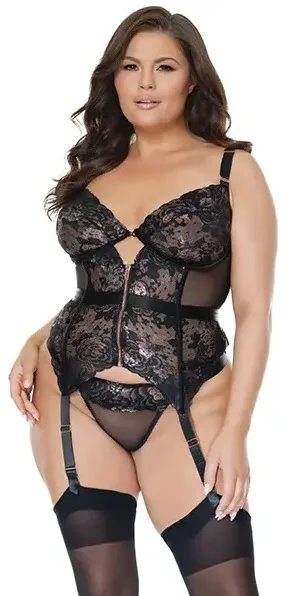
A corset garter set pairs a structured, boned corset or bustier with a matching garter belt so the whole look comes...Read more
-
 Body-Safe Sex Toy Materials: Silicone, TPE, TPR and What to Avoid
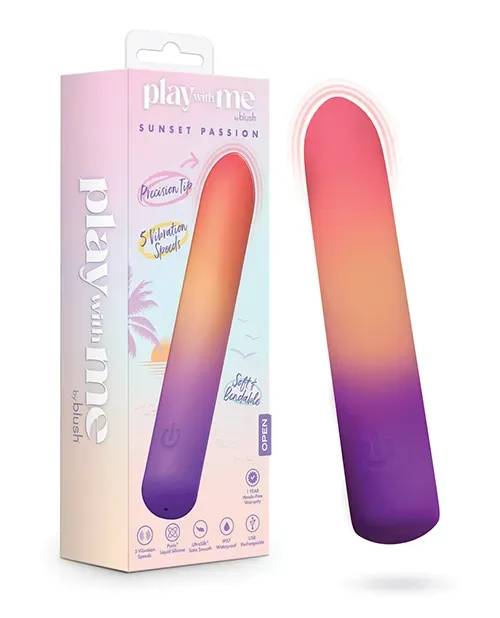
The material a toy is made from determines how thoroughly you can clean it, how long it will last, and whether it...Read more