UV reactive clothing glows because it contains fluorescent molecules that absorb ultraviolet light and re-emit it as...
Latest posts
-
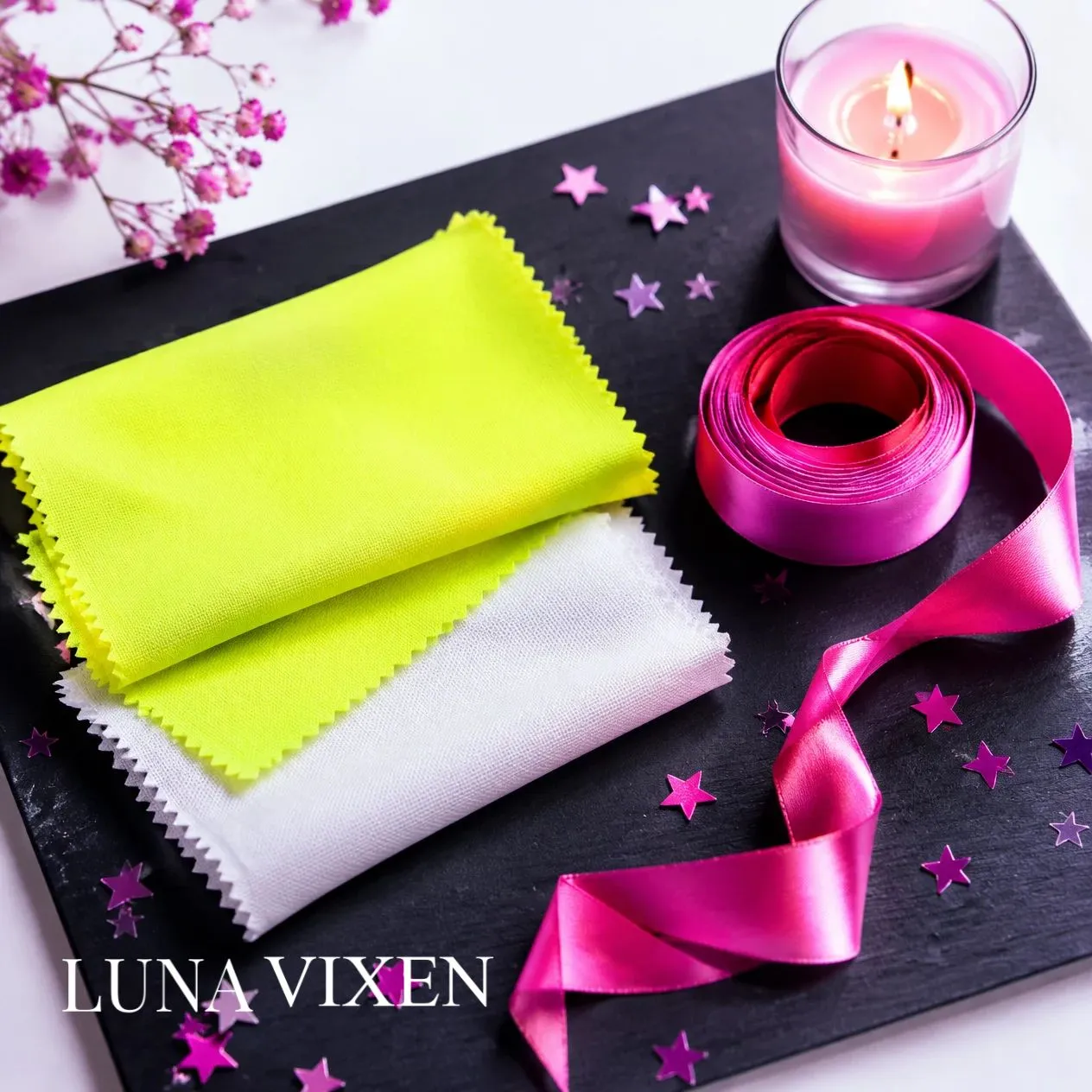 UV Reactive Clothing: What Actually Glows Under a Blacklight and WhyRead more
-
 Open Cup, Peek-a-Boo and Cupless Bras: What They Are and How They FitRead more
Open cup, cupless, peek-a-boo, shelf, quarter cup: the names get used interchangeably almost everywhere, and they are...
-
 Lingerie for Every Anniversary: What to Wear and Why It WorksRead more
The right lingerie for a specific occasion is less about the garment and more about knowing what that moment actually...
-
 Plus Size Lingerie Fit Guide: Sizing, Fabric and What Actually WorksRead more
Plus size lingerie fit is its own skill set, and the biggest obstacle is usually language: sizes labeled Queen, 1X,...
-
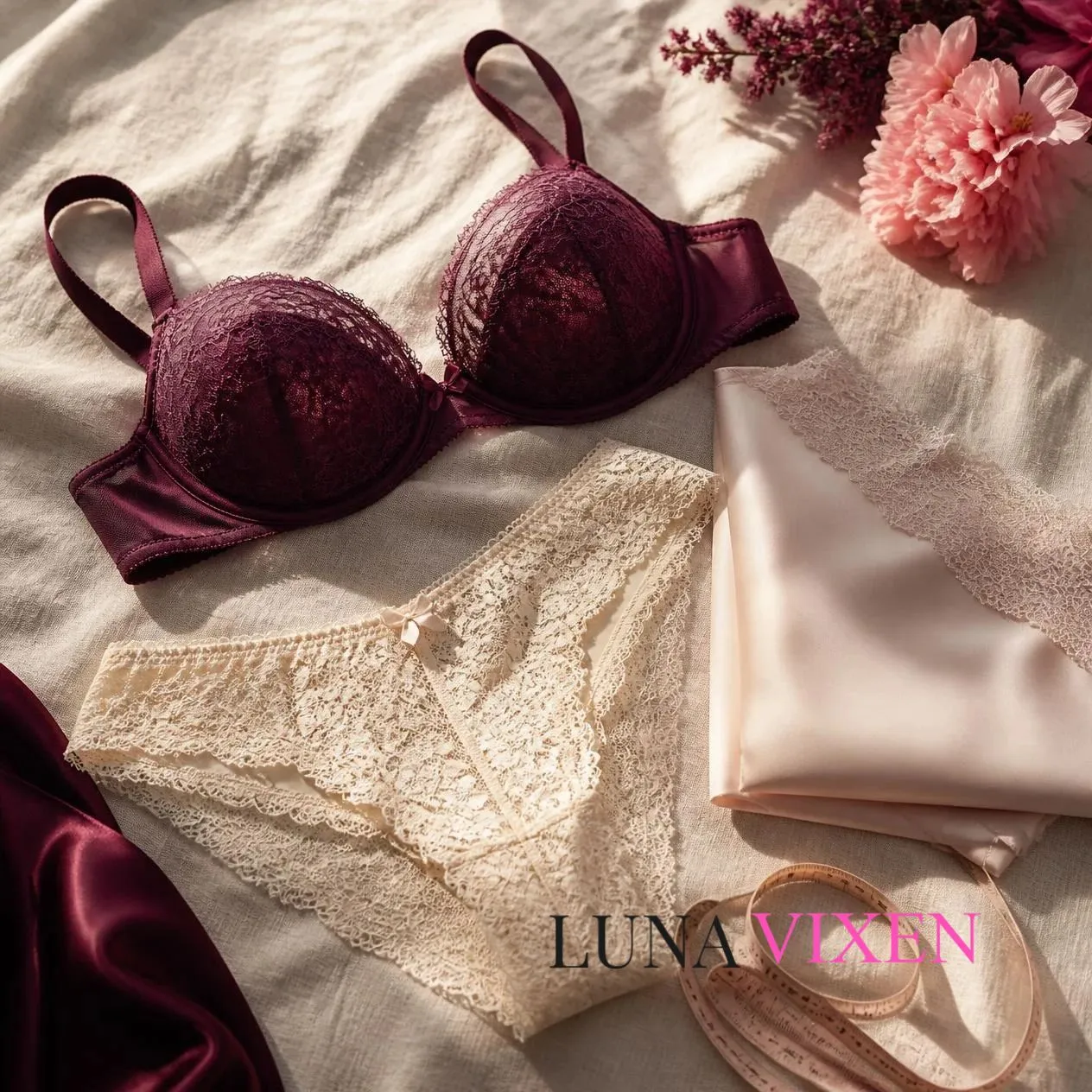 Lingerie for Every Body Type: What Works and WhyRead more
The cuts that feel right on your body are not random. Lingerie works or doesn't work based on how its structure...
-
 How to Buy Lingerie for the First Time (Without the Guesswork)Read more
Buying lingerie for the first time feels harder than it should be, mostly because no one explains the basics and...
-
 Types of Lingerie Fabric: What Sheer, Mesh and Lace Actually DoRead more
The words on a lingerie label are doing real work. Mesh, lace, powernet and satin each behave differently on the...
-
 How to Wash Lingerie Without Ruining It: A Guide by FabricRead more
Different fabrics fail for different reasons. Lace snags, satin watermarks, vinyl cracks, UV reactive dye fades under...
-
 Thigh High Stockings: Denier, Seams and How to Keep Them UpRead more
Thigh high stockings stay up when three things align: the right denier for the occasion, a band that fits your thigh...
-
 Corset vs Bustier vs Basque vs Waist Cincher: Which One Do You Actually Need?Read more
Corset, bustier, basque, waist cincher: the names get used interchangeably online and almost never mean the same...
Blog categories
Search in blog
Archived posts
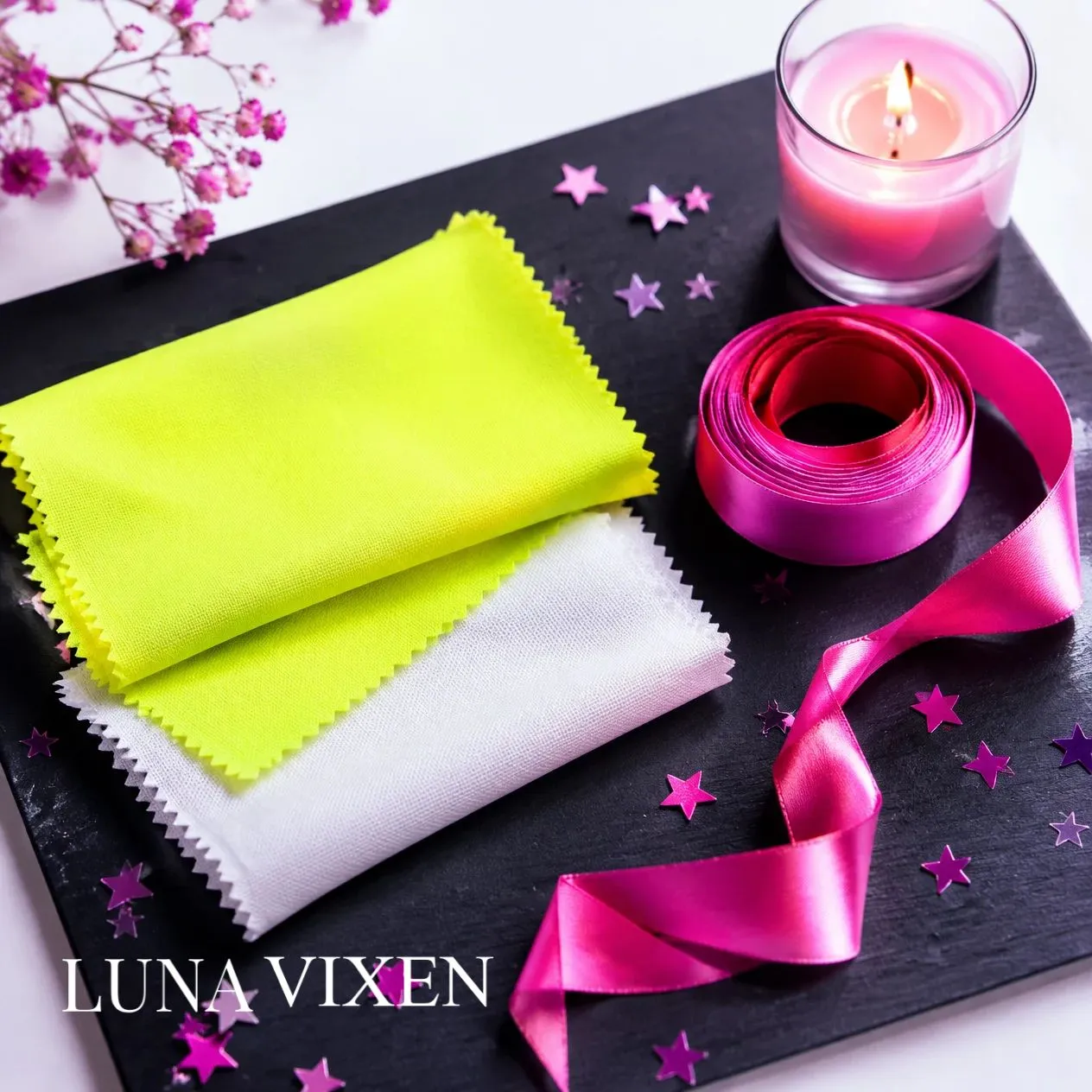
UV Reactive Clothing: What Actually Glows Under a Blacklight and Why
UV reactive clothing glows because it contains fluorescent molecules that absorb ultraviolet light and re-emit it as visible light your eyes can see. That is the whole mechanism. If a fabric holds those molecules, it glows. If it does not, it disappears into the dark, sometimes dramatically. Knowing which is which saves you from showing up to a blacklight party in a neon shirt that does absolutely nothing.
Why does some clothing glow under a blacklight and other clothing does not?
It comes down to chemistry. Certain dyes and fibers contain compounds called fluorophores, which absorb ultraviolet light and immediately re-emit it as visible light. Clothing made with those compounds glows. Clothing made without them stays dark. The blacklight itself produces no magic; it just reveals what was already in the fabric.
Most bright white fabrics glow faintly blue-white because manufacturers routinely add optical brightening agents to make whites look crisper in daylight. Those same agents fluoresce under UV. It's why a plain white cotton t-shirt will show up under a blacklight even though nobody designed it to.
Intentional glow is a different level. Garments built specifically for UV environments use fluorescent dyes, phosphorescent pigments, or UV-reactive inks printed directly onto the fabric. Nylon and spandex blends tend to hold these dyes more vividly than natural fibers like cotton or linen, which is why dance and rave-oriented pieces tend to be synthetic. The Butterfly Blacklight Reactive Halter Top and Short Set is a good example of that construction, designed to read as a bold graphic print under UV rather than just a mild shimmer.
Rhinestones add another layer. Faceted crystals catch and scatter UV the same way they scatter visible light, which is why pieces like the Blacklight Reactive Rhinestone Bralette Set read differently than flat-printed styles. The stones create hard points of light rather than a soft overall glow.
Dark colors without fluorescent treatment absorb UV rather than reflecting it, so they disappear. That contrast is exactly what makes a well-designed reactive piece pop.
Why does white clothing always glow under UV light?
Because of optical brightening agents, or OBAs. These are chemical compounds added during fabric manufacturing to make whites look whiter in daylight. They absorb ultraviolet light and re-emit it as visible blue-white light. Under a blacklight, that same process runs in overdrive, turning any OBA-treated fabric into its own light source.
Most white and off-white textiles contain OBAs by default. Cotton, nylon, polyester, spandex blends, even many lace fabrics get treated at the mill before they ever become garments. You don't have to do anything special. The glow is already baked in.
The intensity varies by fabric density and dye load. A bright white mesh glows harder than an ivory satin because the mesh has more surface area exposed to the UV source and fewer pigment molecules blocking the reaction. That's why sheer fabrics and light-reactive whites tend to perform best in blacklight environments.
Garments built specifically for UV settings take this a step further. The eyelash lace underwire set with light reactive details uses targeted reactive elements alongside the lace so specific lines and edges catch the light with more precision than an untreated white would. The effect reads as intentional rather than accidental.
Washing can reduce glow over time. Detergents with brighteners actually restore some of it, while fabric softeners tend to coat fibers and dull the reaction. If you want a piece to keep performing under UV, wash cold, skip the softener, and air dry.
Which colors and fabrics glow the hardest under blacklight?
Bright whites, neon yellows, electric blues and hot pinks hit hardest. The reason is fluorescence: certain dyes and optical brighteners in fabric absorb UV light and re-emit it as visible glow. The more of those compounds in the fiber, the more the piece lights up. Fabric type matters too, but color and dye chemistry do the heavy lifting.
Synthetic fabrics like nylon and spandex tend to carry reactive dyes more intensely than natural fibers. A white cotton bralette might glow softly. A nylon piece dyed in UV-reactive pigment will look like it has its own power source.
Rhinestones add a different effect. They scatter UV light rather than absorb it, so they catch and throw tiny points of brightness around the room. The blacklight reactive rhinestone bralette set with g-string and garter stocking uses both reactive fabric and stone detailing, which means two separate visual effects happening at once.
Cutouts are worth thinking about here. Where fabric is absent, skin shows, and bare skin under UV has its own faint bluish glow thanks to melanin and collagen. A piece like the blacklight reactive long sleeve dress with rhinestones and cutouts plays that contrast deliberately, the glowing fabric framing the skin rather than covering it.
What dulls the effect: dark saturated colors, matte black, heavy opaque weaves. These absorb UV without re-emitting much. If you want visibility in a dark room, go light, go neon, go reactive.
What is the difference between UV reactive fabric and something that just looks neon in daylight?
UV reactive fabric contains phosphors that absorb ultraviolet light and re-emit it as visible glow. A neon-colored piece just has bright pigment. Under a black light, the reactive fabric blazes. The bright pigment goes flat, sometimes even looks dull.
The distinction matters the moment the regular lights cut out. A hot pink bralette dyed with standard pigment might look bold at the pregame. Under black light at the actual event, it disappears into the crowd. Reactive fabric does the opposite: the darker the room, the harder it works.
The phosphors are typically woven into or printed onto the base textile, not just a surface coating. That means the glow holds through movement and sweat, which matters if you are wearing something small and active all night. A set like the blacklight reactive garter top and shorts set is built around this, where the fabric is doing real work rather than just reading bright on a phone screen.
One quick field test: hold the piece under a UV flashlight in a dim room before you buy. Reactive fabric will glow immediately and visibly. Standard neon dye will look roughly the same as it does in daylight, maybe slightly washed out.
Pasties follow the same logic. The star nipple pasties in black light reactive neon pink are made to glow on contact with UV, which is a very different thing from a pink sequin that catches a spotlight.
If the product description does not specifically say UV reactive or black light reactive, assume it is standard pigment.
What should I wear to a blacklight party if I actually want to glow?
Wear fabrics that are either white or specifically labeled blacklight reactive. Under UV light, optical brighteners in white fabric fluoresce a vivid blue-white, while reactive dyes glow in neon greens, pinks, and yellows. The difference between a good glow and a great one comes down to what the fabric is actually made to do.
White lingerie works because most manufacturers treat cotton and synthetic blends with optical brightening agents during production. A simple white bralette or bodysuit will light up the room without any special effort on your part.
Dedicated reactive pieces go further. The Butterfly Blacklight Reactive Halter Top and Short Set is dyed specifically to respond to UV, so the color you see under normal light shifts into something much more vivid once the blacklights hit. Same idea with the Blacklight Reactive Garter Top and Shorts Set, which adds the bonus of garter detailing that reads beautifully as a graphic silhouette under UV.
Rhinestones are worth mentioning separately. They scatter and refract UV the same way they scatter visible light, so pieces with stone accents create a strobing effect that plain fabric cannot replicate.
A few things that will not glow, no matter how bright they look in daylight: most black fabric, deep jewel tones, and anything labeled "natural" dye. Avoid those if glow is the goal. Neon without the reactive treatment will look dull, not electric.
Layering helps too. A reactive top over white shorts, or glow stockings under a reactive dress, gives the UV something to catch at different heights as you move.
Common questions
Does black clothing glow under a blacklight?
Some black fabrics glow brilliantly under blacklight and some go completely dead, and the difference comes down to how the dye was made. Optical brighteners added during manufacturing absorb UV light and re-emit it as visible blue or white glow. A lot of black synthetic fabrics, especially polyester and nylon, carry these brighteners. True vat-dyed black cotton usually stays dark. The only reliable test is to hold the piece under a UV lamp before committing to a look built around it.
Will washing my clothes affect how much they glow?
It depends on what you wash with. Most standard detergents contain optical brightening agents, so they can actually increase how much pale or white fabric glows over time. Harsh washes, hot water and heavy-duty detergents strip UV reactive dyes faster, dulling that glow. For pieces you want glowing at their best, cold water and a gentle or delicate detergent keeps the reactive finish intact longer. UV dye treatments applied after purchase are especially sensitive and need a gentle cycle every time.
Do UV reactive pieces glow under regular light or only blacklight?
Under regular light, UV reactive fabrics just look like normal fabric, usually white, neon or pale in tone. The glow only activates under ultraviolet light, which is what makes blacklight pieces work so well for specific events without looking costumey everywhere else. Neon colours read bright in daylight but that vivid electric effect only appears once a UV source hits them. So a piece that looks like a simple white mesh bodysuit in your bedroom can look completely different under a club's blacklights.
Can I make regular white fabric glow more?
Yes. Fabric spray treatments and UV reactive dyes designed for home use can add or intensify glow on cotton, silk and synthetics. Whites with existing optical brighteners already glow reasonably well, but a UV spray boosts that noticeably. Results last longer on synthetic fibres than on natural ones. Apply to clean dry fabric, let it cure fully before wearing, and keep subsequent washes gentle. Sheer fabrics like chiffon and mesh take the treatment well and distribute the glow evenly rather than patchy.
Posted in:
Lingerie
Related posts
-
 Types of Lingerie: The Complete Guide
Lingerie covers a lot of ground, from a barely-there bodysuit on a Tuesday to a structured corset for a night out....Read more
-
 Babydoll vs Chemise: What's the Difference?
Babydoll, chemise, teddy, bodysuit: four words that describe four genuinely different garments, and the industry does...Read more
-
 How to Measure for Lingerie (and Actually Get It Right)
Lingerie sizing is not a mystery, but it does work differently from the jeans or tops you buy without thinking twice....Read more
-
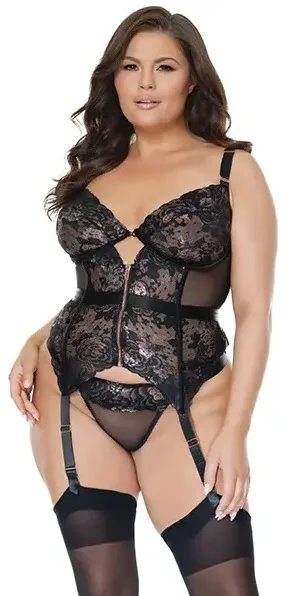 Corset Garter Sets, Explained
A corset garter set pairs a structured, boned corset or bustier with a matching garter belt so the whole look comes...Read more
-
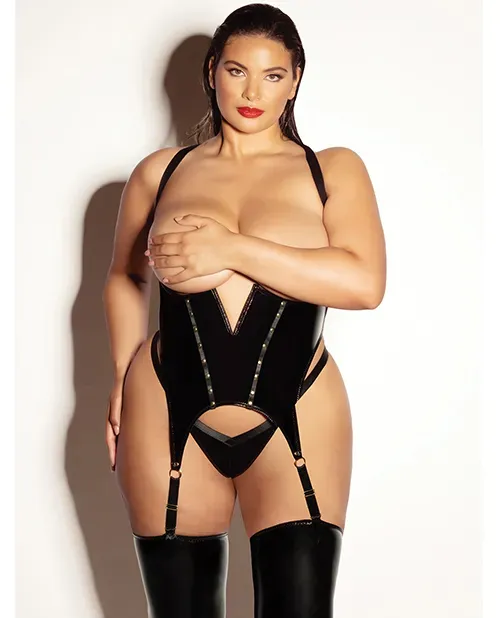 Faux Leather Lingerie: Vinyl, Wet Look and How to Care for All of It
Faux leather lingerie, vinyl bodysuits and wet look sets share a glossy surface and almost nothing else in common...Read more