UV reactive clothing glows because it contains fluorescent molecules that absorb ultraviolet light and re-emit it as...
Latest posts
-
 UV Reactive Clothing: What Actually Glows Under a Blacklight and WhyRead more
 -
 Open Cup, Peek-a-Boo and Cupless Bras: What They Are and How They FitRead more
Open cup, cupless, peek-a-boo, shelf, quarter cup: the names get used interchangeably almost everywhere, and they are...
-
 Lingerie for Every Anniversary: What to Wear and Why It WorksRead more
The right lingerie for a specific occasion is less about the garment and more about knowing what that moment actually...
-
 Plus Size Lingerie Fit Guide: Sizing, Fabric and What Actually WorksRead more
Plus size lingerie fit is its own skill set, and the biggest obstacle is usually language: sizes labeled Queen, 1X,...
-
 Lingerie for Every Body Type: What Works and WhyRead more
The cuts that feel right on your body are not random. Lingerie works or doesn't work based on how its structure...
-
 How to Buy Lingerie for the First Time (Without the Guesswork)Read more
Buying lingerie for the first time feels harder than it should be, mostly because no one explains the basics and...
-
 Types of Lingerie Fabric: What Sheer, Mesh and Lace Actually DoRead more
The words on a lingerie label are doing real work. Mesh, lace, powernet and satin each behave differently on the...
-
 How to Wash Lingerie Without Ruining It: A Guide by FabricRead more
Different fabrics fail for different reasons. Lace snags, satin watermarks, vinyl cracks, UV reactive dye fades under...
-
 Thigh High Stockings: Denier, Seams and How to Keep Them UpRead more
Thigh high stockings stay up when three things align: the right denier for the occasion, a band that fits your thigh...
-
 Corset vs Bustier vs Basque vs Waist Cincher: Which One Do You Actually Need?Read more
Corset, bustier, basque, waist cincher: the names get used interchangeably online and almost never mean the same...
Blog categories
Search in blog
Archived posts

Babydoll vs Chemise: What's the Difference?
What actually is a babydoll, and how is it different from a chemise?
A babydoll is a short, loose top that hits at or above the hip, almost always flared or gathered below the bust, and sold with matching bottoms. A chemise is a slip-style garment that skims the body straight down, usually landing mid-thigh. The silhouette is the whole difference.
Babydolls tend to have structure at the cups, whether underwire, molded mesh, or a bralette-style band, then release into fabric from the underbust down. That flare creates coverage without cling. A chemise has no such release point. It drapes from shoulder to hem as one continuous line, which reads as sleeker but less theatrical.
Fabric choices overlap, lace, mesh, charmeuse, but babydolls use them differently. A piece like the ruffled lace and mesh babydoll with thong, garters and stockings layers textures at the hem specifically because there is a hem to work with. On a chemise, that same ruffle would interrupt the drape.
The bottoms situation matters too. Babydolls nearly always come with a matching thong or brief, and often garters. A chemise is typically a standalone piece worn over your own underwear, or nothing.
One more thing worth knowing: some pieces blur the line on purpose. The lace and mesh tie-front babydoll set uses a tie closure that flattens the silhouette slightly, sitting somewhere between the two categories in feel if not in cut. Labels are useful shorthand, not rules.
What is a teddy, and how does it differ from a bodysuit?
A teddy is a one-piece intimate that combines a fitted top with a snap or open crotch, cut to show skin at the leg. A bodysuit closes fully and is often worn as outerwear. The difference is mostly intention: teddies are designed for the bedroom, bodysuits for the street.
Fabric is usually the first tell. Teddies show up in stretch lace, sheer mesh, or soft satin with deliberate cutouts. Bodysuits lean toward opaque knit or ponte, built to tuck into trousers.
The crotch closure matters more than people expect. A teddy typically snaps open or skips the closure entirely, which is what separates it from a leotard in both function and feel. Some styles, like the two-tone lace and mesh crotchless teddy with removable babydoll cover, blur the line further by adding a detachable overlay, so it reads as a full set depending on what you leave on.
Silhouette is the other dividing line. A bodysuit follows the torso closely from shoulder to hip with no deviation. A teddy can do the same, or it can flare slightly, dip low, cut high at the thigh, or go backless. There is more room for variation in the category.
If you find yourself drawn to the draped, floaty end of things rather than the fitted end, a babydoll or chemise is the next category worth knowing. It shares the intimate register of a teddy but skips the one-piece construction entirely.
Babydoll vs chemise vs teddy vs bodysuit: the four-way comparison
The cut is the difference. A babydoll floats free from the bust and ends mid-thigh or higher, often sheer. A chemise skims the body as a looser, longer slip. A teddy is a one-piece that snaps or closes at the crotch. A bodysuit fits like a second skin with no flare, usually closing at the crotch too.
Babydolls work well if you want something that grazes rather than clings. The flared skirt panel creates space below the bust, which reads as playful and also suits anyone who wants a little room there. A style like the ruffled lace and mesh babydoll with thong, garters and stockings shows how much can be built around that one silhouette when the set is complete.
Chemises sit closer to sleepwear on the spectrum. Same category, quieter mood. They tend to run longer and are less likely to come with hardware like garters or snaps.
Teddies and bodysuits overlap more than people expect. Both are one-piece and body-skimming. The distinction is mostly in construction: teddies often use lace or mesh panels and are cut for lingerie wear, while bodysuits lean toward a structured, almost athletic fit. A two-piece set that pairs a crotchless teddy with a removable babydoll cover is a good example of how the categories can actually layer.
Pick by what you want the garment to do. Float, skim, snap, or hold.
Which one is right for your body type and occasion?
Silhouette first, occasion second. A babydoll skims the torso and floats free from the hips, which makes it forgiving across a wide range of body types. A chemise follows the body more closely. Neither is inherently sexier than the other. The right one is the one that feels good on your body for the specific moment you have in mind.
If you carry more weight at your midsection, a babydoll's flared hem does quiet, useful work. The lace and mesh babydoll with rhinestone detail is a good example of this shape done right: structured enough at the bust to give definition, loose below the underwire so nothing clings where you'd rather it didn't.
For a longer, leaner silhouette, a halter neckline draws the eye upward and lengthens the torso. The ultra sheer halter mini babydoll plays on that geometry. The sheer fabric keeps it light rather than heavy, which matters more than most people expect when you're standing rather than lying down.
Occasion shapes the choice more than body type does, honestly. A ruffled hem with garters and stockings reads as an event. A slip-style chemise reads as a Tuesday. Both are legitimate. The difference is in how much you want the garment to announce itself when you walk into the room.
Garter sets add visual weight at the thigh, which some people love and some find fussy. Worth knowing before you commit to a full set with stockings included.
Do any of these work outside the bedroom?
Some do, genuinely. A solid-color satin or jersey chemise reads as a slip dress at the right length, especially over tailored trousers or under a blazer. The pieces built around ultra-sheer panels and exposed garter hardware stay private. The ones with clean lines and opaque fabric cross over.
The rule of thumb is coverage and fabric weight. A knee-length chemise in charmeuse or matte jersey looks like something you'd find in a boutique womenswear section. A halter mini in ultra-sheer mesh does not, and that's fine because it wasn't designed to.
Babydoll silhouettes with an empire seam and fuller hem have been layered under sheer maxi skirts in editorial styling for years. Add a long cardigan and it becomes a top. The fit-and-flare shape does a lot of the work.
What never translates well outdoors is the multi-piece set with removable components, detachable stockings, and visible hardware at every strap junction. Those pieces are designed for a specific context and they look their best there.
So the short answer is: simpler silhouettes in heavier fabrics, yes. Anything featuring open-back construction, garter loops, or mesh paneling that accounts for more than a third of the garment, no. The full babydolls and chemises range runs across that entire spectrum, which makes it easy to see which end of it you're shopping from.
Common questions
Can I wear a chemise as a slip under a dress?
Yes, and it works better than most purpose-made slips. A chemise sits close enough to prevent fabric cling, moves with you, and the lace or satin hem won't bunch the way a shapewear slip sometimes does. The key is length: choose one that falls an inch or two shorter than your dress hem. A bias-cut satin chemise is particularly good under jersey or silk dresses because it matches the drape. Stick to nude, ivory, or black depending on your dress fabric, and avoid anything with thick adjustable straps that show at the shoulder.
Do babydolls come in plus sizes with the same fit?
Good ones do, though the construction details matter more at larger sizes. A well-made plus-size babydoll uses a defined underwire or banded underbust rather than just adding extra fabric to a standard cut, which tends to tent out and lose the silhouette entirely. Look for styles with side seaming, stretch lace panels, and adjustable straps with real range. The flared skirt should start just under the bust, not at mid-torso. Sizes 1X through 4X should get the same floating, barely-there feel as a straight size, not a modified afterthought.
What is a sheer lacy teddy and how does it differ from a plunge neckline teddy?
A sheer lacy teddy is a one-piece that covers the torso in semi-transparent lace, often with a scalloped edge and minimal lining so the fabric itself is the focal point. A plunge neckline teddy is defined by its V-cut front, which can be sheer or opaque, but the dramatic neckline is the design anchor rather than the lace texture overall. The practical difference: a sheer lace style reads more like classic lingerie, delicate and decorative, while a plunge style can double as a bodysuit under a blazer or low-cut top without looking out of context.
Is a bodysuit considered lingerie or just a base layer?
It depends entirely on the fabric and finish. A matte ribbed bodysuit with a high scoop neck is a base layer. A stretch satin bodysuit with a low back and adjustable straps lives in lingerie territory, even if you wear it out. The category isn't fixed by the garment shape but by how it's made and what it signals. Many bodysuits at LunaVixen sit in both camps on purpose, constructed with lingerie-grade lace or mesh but cut cleanly enough to wear under trousers or a skirt without reading as underwear to anyone else in the room.
Posted in:
Lingerie
Related posts
-
 Types of Lingerie: The Complete Guide
Lingerie covers a lot of ground, from a barely-there bodysuit on a Tuesday to a structured corset for a night out....Read more
Types of Lingerie: The Complete Guide
Lingerie covers a lot of ground, from a barely-there bodysuit on a Tuesday to a structured corset for a night out....Read more -
 How to Measure for Lingerie (and Actually Get It Right)
Lingerie sizing is not a mystery, but it does work differently from the jeans or tops you buy without thinking twice....Read more
How to Measure for Lingerie (and Actually Get It Right)
Lingerie sizing is not a mystery, but it does work differently from the jeans or tops you buy without thinking twice....Read more -
 Corset Garter Sets, Explained
A corset garter set pairs a structured, boned corset or bustier with a matching garter belt so the whole look comes...Read more
Corset Garter Sets, Explained
A corset garter set pairs a structured, boned corset or bustier with a matching garter belt so the whole look comes...Read more -
 Faux Leather Lingerie: Vinyl, Wet Look and How to Care for All of It
Faux leather lingerie, vinyl bodysuits and wet look sets share a glossy surface and almost nothing else in common...Read more
Faux Leather Lingerie: Vinyl, Wet Look and How to Care for All of It
Faux leather lingerie, vinyl bodysuits and wet look sets share a glossy surface and almost nothing else in common...Read more -
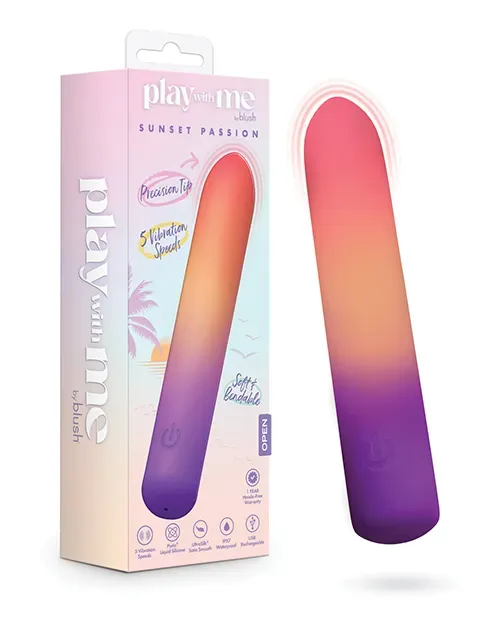 Body-Safe Sex Toy Materials: Silicone, TPE, TPR and What to Avoid
The material a toy is made from determines how thoroughly you can clean it, how long it will last, and whether it...Read more
Body-Safe Sex Toy Materials: Silicone, TPE, TPR and What to Avoid
The material a toy is made from determines how thoroughly you can clean it, how long it will last, and whether it...Read more